
Building fair, responsible and sustainable mica supply chains
The Responsible Mica Initiative (RMI) is a global coalition for action committed to transforming the mica sector into a model of responsibility, transparency and human dignity.
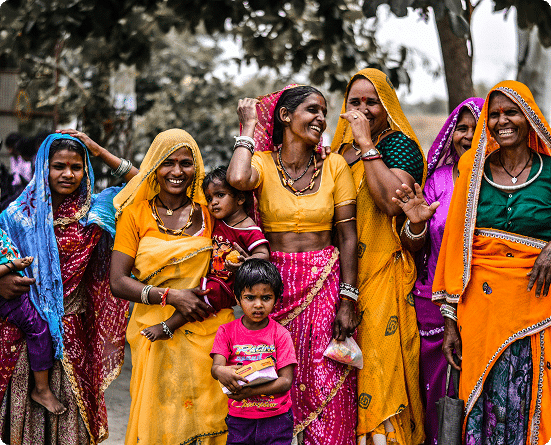
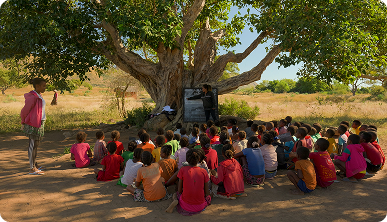
Our mission is to eliminate child labor, ensure responsible working conditions, and promote sustainable mica supply chains that benefit communities globally, starting in India and Madagascar – two of the world’s key mica-producing regions.
Together with over 110 member organizations – including actors across the mica supply chain, and NGOs – we believe that real change comes through collaboration, accountability and long-term commitment.
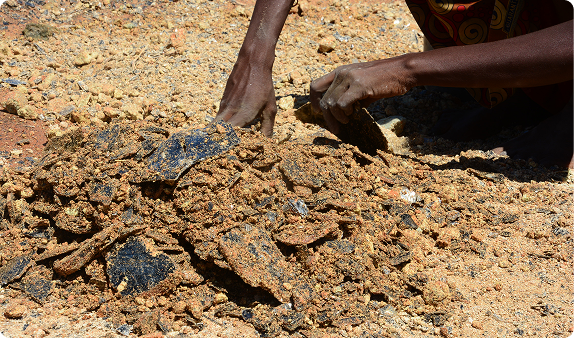
Hidden in plain sight, mica – a natural mineral – is everywhere around us: in cars, phones, EV batteries, plastics, home appliances, cosmetics, paints and even construction materials. Yet, its extraction has often been linked to unsafe working conditions and child labor.
Hidden in plain sight, mica – a natural mineral – is everywhere around us: in cars, phones, EV batteries, plastics, home appliances, cosmetics, paints and even construction materials. Yet, its extraction has often been linked to unsafe working conditions and child labor. The Responsible Mica Initiative envisions a world where mica mining and processing are safe, regulated and empowering for local communities. We aim to make mica supply chains fair, responsible and sustainable, ensuring that every product containing mica contributes to a more equitable future. Internal link: Learn more about our approach and governance.
The RMI drives change through a three-pillar strategy:
We tackle the root causes of child labor by creating education opportunities, improving access to livelihoods, and strengthening community resilience.
We define and foster global standards that ensure safe, fair, and traceable mica production.
We advocate for responsible sourcing practices, formalized and transparent supply chains worldwide.
children supported through community empowerment programs
households benefiting from community empowerment programs
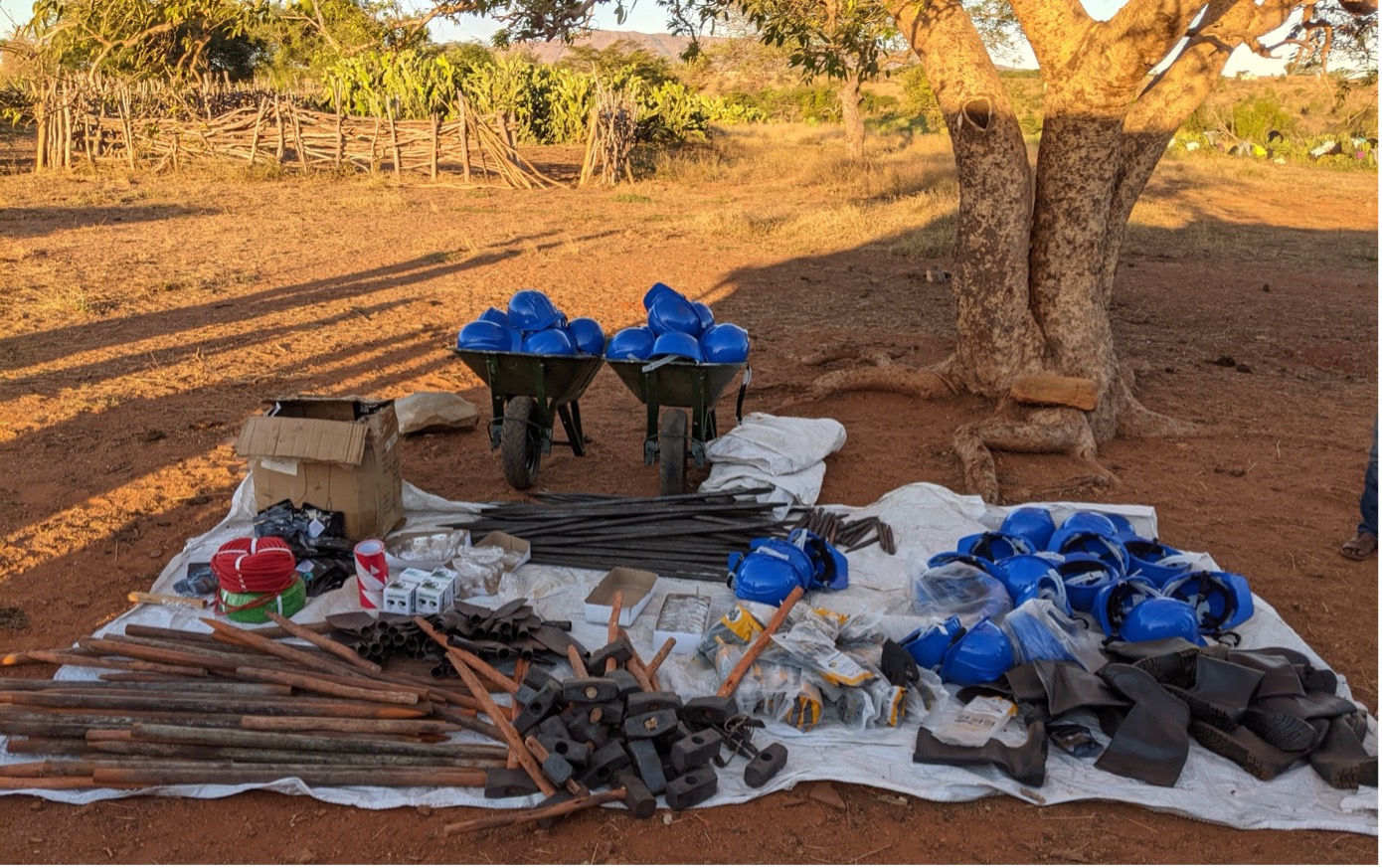
mica sorting sites supported and assessed against workplace standard
members uniting for responsible mica sourcing
Behind each statistic stands a life improved, a workplace made safer and a community strengthened.
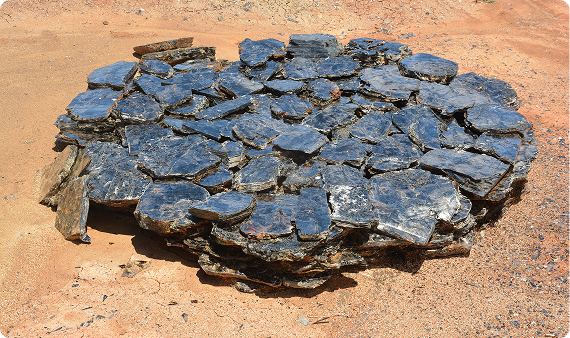
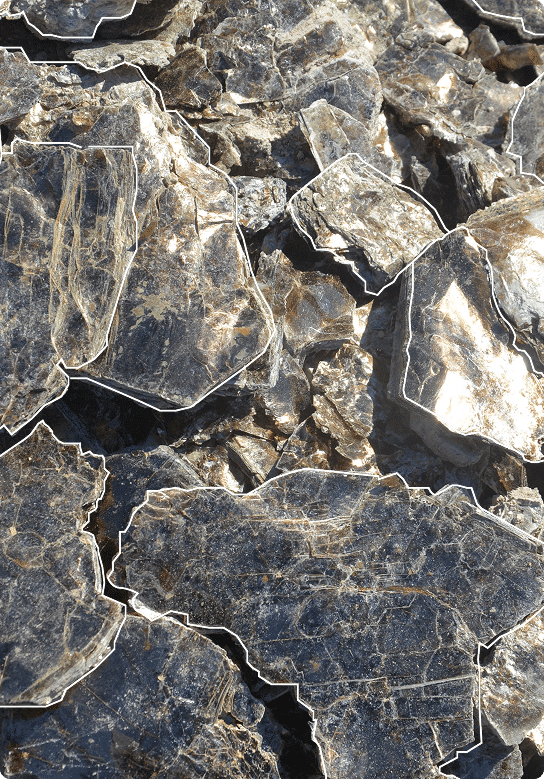
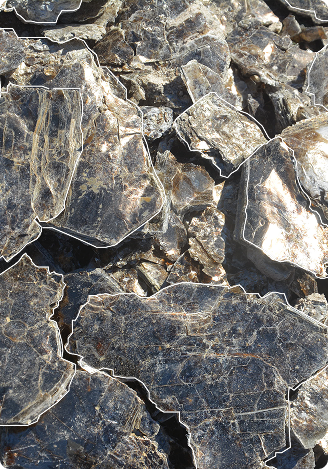
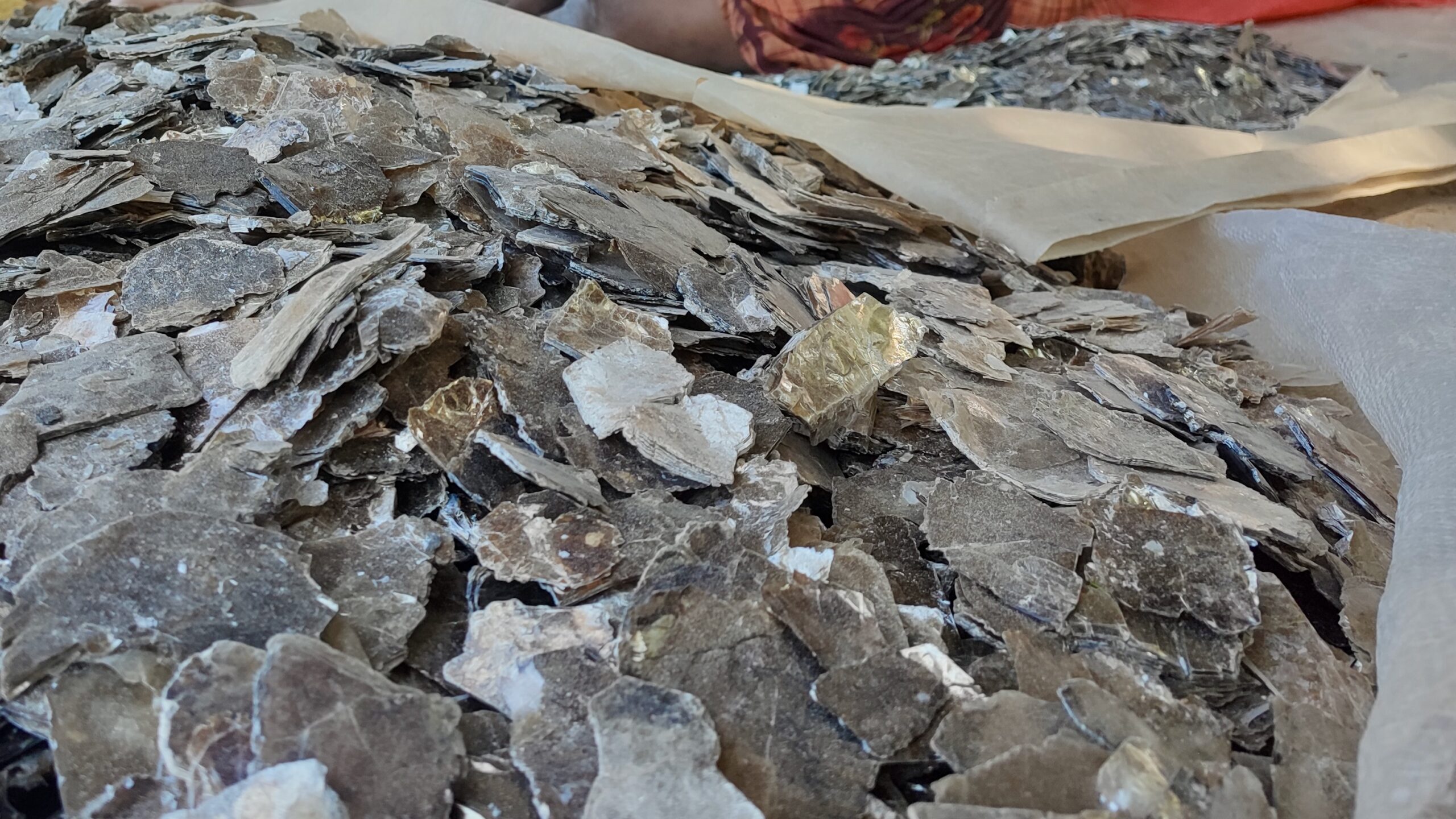
Mica is a group of natural minerals known for their shiny, reflective properties and remarkable heat and electrical resistance. Found in thin, sheet-like layers, mica is valued across multiple industries – from cosmetics and electronics to automotive paints and batteries, construction materials, plastics, home appliances and renewable energy technologies.
Its various abilities and durability make it an essential component of many everyday products.
Despite its usefulness, the global mica trade has long been associated with unsafe working conditions, informal and artisanal small-scale mining, and child labor, particularly in regions like India and Madagascar, where much of the world’s mica is sourced. These challenges stem from poverty, lack of regulation, and limited access to alternative livelihoods in mica-producing communities.
Mica is a group of natural minerals known for their shiny, reflective properties and remarkable heat and electrical resistance. Found in thin, sheet-like layers, mica is valued across multiple industries – from cosmetics and electronics to automotive paints and batteries, construction materials, plastics, home appliances and renewable energy technologies.
Its various abilities and durability make it an essential component of many everyday products.
Our field programs operate across mica-producing regions of Jharkhand, Bihar, Rajasthan and Andhra Pradesh (India), Androy and Anosy (Madagascar), where we collaborate with local NGOs, governments and exporters to deliver systemic change.
Behind each statistics stands a life improved, a workplace made safer and a community strengthened. Through our initiatives, RMI has achieved measurable progress in communities and workplaces alike. By combining field action, corporate engagement, legislative and due diligence efforts, we ensure that our impact is both local and global. Internal link: Dive deeper into our impact in India and Madagascar.
Becoming an RMI member means joining a global community of 110+ active members that shares a clear goal: a world in which mica value chains are fair, responsible, sustainable and free of child labor.
Being an RMI member has no value of certification.
Members commit to contribute to RMI mission through financial support, traceability efforts, responsible purchase practices, strategic guidance, and hands-on collaboration in field and policy projects.
The collective efforts, if a strong enabler, do no relieve members from their individual responsibilities.
To ensure transparency and consistency, RMI has established three global standards that guide responsible mica production and processing:
Ensuring responsible labor practices and environmental responsibility.
Supporting artisans and small-scale producers with safer and more responsible practices.
Promoting safe workplace conditions and adapted due diligence procedures.
These three standards are designed to be geographically agnostic, auditable and globally recognized, ensuring that every actor in the mica value chain can take part in building a better future.
Stay up to date with our latest case studies, press releases and calls for participation. The RMI news section provides regular updates on our progress and highlights the stories behind our actions.
Madagascar, November 1st – The Responsible Mica Initiative (RMI) and the United Nations Development Programme (UNDP) have just
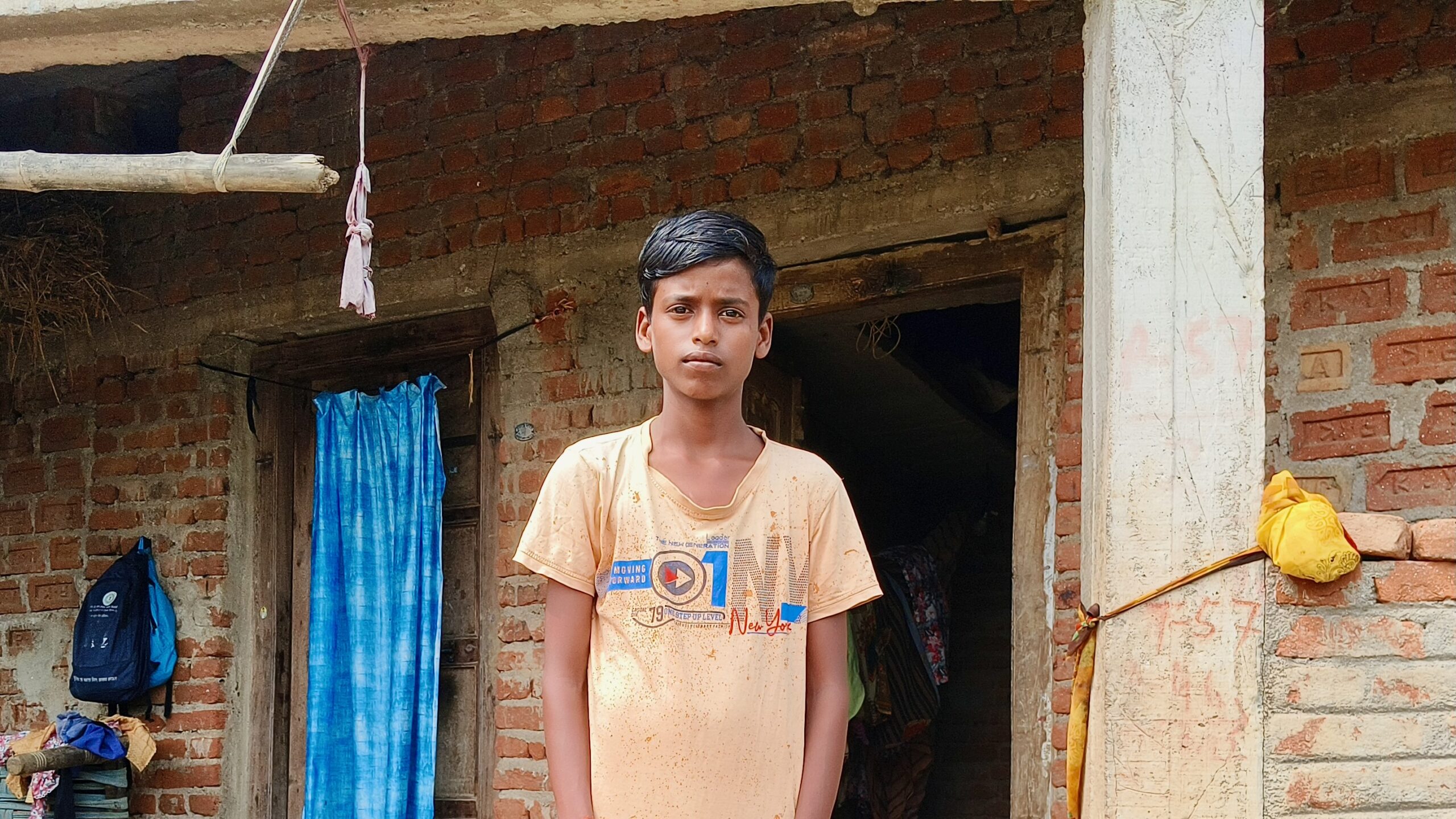
Background — A family struggling to keep access to education Sonu Kumar, a bright 13-year-old boy from Ghormaro
Kicking-off a new phase of accountability in Madagascar Between September and early December 2025, the Responsible Mica Initiative